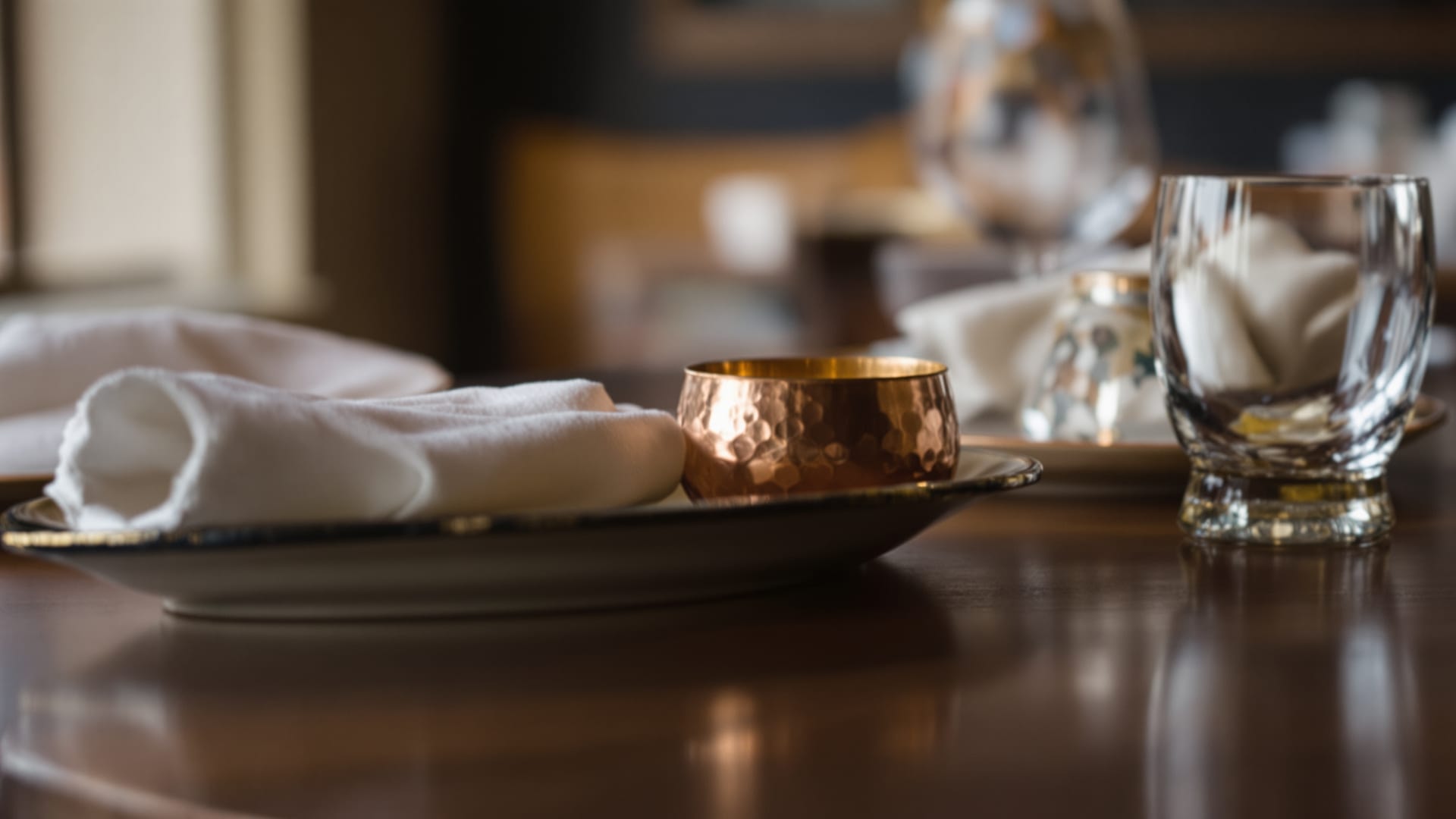
Spice9 was an Indian restaurant on the north side of Columbus, Ohio. It opened around 2020, ran for roughly four years, and is now permanently closed. Spice9 operated for roughly four years on the north side of Columbus.
A north-side restaurant
Columbus is one of the larger cities in the United States and one of the faster-growing, a fact that surprises people who have never been — U.S. Census Bureau figures for Columbus put it well ahead of several better-known metros. Most of that growth has gone north and northeast, into a band of suburbs, office parks and retail centres that filled in fast through the 2000s and 2010s.
That band is where Indian restaurants in central Ohio have clustered, and it is where Spice9 sat. The economics are simple: the north side carries a large South Asian population, a lot of weekday office lunch traffic, and enough evening family dining to support a full dinner service. A restaurant there can run a buffet at noon and a tablecloth service at seven without either half subsidising the other too heavily. More on how north-side dining is shaped →
How it described itself
The restaurant's own description was short and unfussy: an authentic Indian restaurant in Columbus, Ohio. Spice9 used the line "Indian Cuisine in its finest Form", and set out the four channels it worked in — dine-in, takeout, catering and delivery — before anything else. That ordering is telling. Plenty of Indian restaurants in the suburbs are really takeout kitchens with a few tables attached; Spice9 put the dining room first and treated the other three as extensions of it.
It ran a split service: a lunch period built around a buffet, a break in the afternoon, then a longer dinner service running later at the weekend. Lunch stretched a little longer on Saturday and Sunday, when the buffet was the main event rather than an office-hours convenience.
What the kitchen cooked
The menu was North Indian at its core, with a strong Hyderabadi line running through it — the biryanis in particular were built in the Hyderabadi dum style rather than the quicker layered-and-stirred method most restaurants settle for. Around that sat the familiar tandoor section, a set of rich tomato-and-cream gravies, an Indo-Chinese fried rice family, and a bread list that ran well past plain naan.
The vegetarian side was unusually deep, and it was the thing people mentioned most often. Paneer ran through the whole menu rather than being confined to one or two dishes; matar paneer and paneer tikka both appear in the restaurant's own surviving photographs. That depth is not decoration in an Indian kitchen — a great deal of the subcontinent's cooking is vegetarian by default, and a menu that treats it as a category rather than a concession reads completely differently. More on that →
The buffet
If Spice9 had a signature format rather than a signature dish, it was the lunch buffet. Reviews from the time settle on the same details: a lot of vegetarian options, a tikka masala that held its own on a steam table, and naan brought hot to the table from the tandoor rather than piled up to go cold. Modest portions on the plate, generous on the return trip.
The buffet is also the honest explanation for how the menu was built. Dishes that improve, or at least survive, half an hour in a chafing dish went to lunch; anything that has to be finished to order stayed on the dinner card. How an Indian lunch buffet is actually constructed →
Beyond the dining room
Like most independent restaurants of its size, Spice9 leaned on the trade around the edges. It ran takeout and delivery, and it catered — parties, offices, the large family events that Indian catering in America is largely built around. The catering page describes how that side of the business works; it is not an offer, because there is no kitchen left to make it.
Closing
Spice9 closed. Independent restaurant closures rarely come with an announcement, and this one did not: the listings flipped to "closed", the website eventually lapsed, and that was that. The reasons for the closure are not reliably documented. The margins in mid-sized independent restaurants are thin in the best conditions, and the first half of the 2020s was not the best conditions.
What is documented is the food. That is what these pages keep: the menu, and a set of explanations of the dishes it named — what they are, where they come from, and how they are actually made.
About this site
This site publishes no contact details, takes no bookings, and sells nothing. A closed restaurant should not have a working front door.